
Top Trucking Companies Near You Reviews Services and Choosing the Best Fit
- 2 days ago
- 9 min read
A late truck can throw off a whole production schedule. One missed pickup can leave finished goods sitting on the dock, raw materials stuck in transit, or a customer asking where their order is. That’s why picking a carrier isn’t just a shipping task. It’s an operations decision.
If you’ve searched for trucking companies near me, you’ve probably seen a long list of names, star ratings, and “open now” results. Some are great for local pallet delivery. Some shine on regional LTL lanes. Others are built for full truckload, expedited freight, hazmat, oversized equipment, or nationwide logistics.
The tricky part is knowing which one fits your freight, your schedule, and your tolerance for risk.
Below is a practical guide to well-known trucking companies you’re likely to see in many U.S. markets, the services they offer, what to look for in customer reviews, and how to choose the best fit without getting buried in sales talk.

The best trucking company depends on the freight in front of you
There isn’t one “best” carrier for every shipment. A company that handles daily LTL pickups beautifully may not be the right pick for a 2 a.m. emergency shipment. A full truckload carrier with strong national coverage may not be ideal for a small local delivery with liftgate service.
Before you compare names, get clear on the basics:
What are you shipping?
Is it palletized, loose, oversized, temperature-sensitive, or high-value?
Is it full truckload, partial truckload, or LTL?
How tight is the pickup and delivery window?
Does the receiver need an appointment, liftgate, inside delivery, or special equipment?
Do you need one shipment moved, or repeat lanes covered every week?
For manufacturers, the best carrier is usually the one that can protect production flow, hit appointments, communicate clearly, and handle exceptions without drama.
Top trucking companies to consider near your location
Ratings and reviews change by terminal, lane, dispatcher, and local management. So instead of pretending one national score tells the whole story, use this list as a strong starting point. Then check the branch or terminal closest to your shipping point.
Trucking company | Common strengths | Services often offered | Review signals to check locally |
Old Dominion Freight Line | Known for LTL freight and dependable transit performance | LTL, expedited LTL, trade show shipping, household goods, logistics support | Look for comments about on-time delivery, clean freight handling, and appointment accuracy |
Estes Express Lines | Broad LTL network with strong regional coverage | LTL, volume LTL, truckload, time-critical, final mile | Check reviews for pickup reliability, claims handling, and terminal communication |
FedEx Freight | Large network and familiar tracking tools | LTL, priority freight, economy freight, cross-border freight | Look for local feedback on tracking accuracy and delivery windows |
XPO | Large-scale LTL and logistics network | LTL, managed transportation, freight brokerage, last mile | Review local notes on customer service, dock scheduling, and issue resolution |
Saia | Strong regional and interregional LTL presence | LTL, regional freight, expedited service, distribution | Check for comments on careful handling and consistent pickup timing |
R+L Carriers | Mix of LTL, truckload, and specialty freight | LTL, truckload, expedited, trade show, hazmat options | Look for feedback on driver professionalism and freight condition |
Schneider | Major full truckload and logistics provider | Truckload, intermodal, dedicated, refrigerated, bulk, logistics | Check reviews tied to lane consistency and capacity during busy seasons |
J.B. Hunt | Strong in intermodal, dedicated, and contract carriage | Intermodal, truckload, dedicated fleets, final mile | Look for customer comments about scheduling and account support |
Landstar | Agent-based network with strong specialized capacity | Flatbed, step-deck, heavy haul, expedited, truckload | Review feedback around agent responsiveness and specialized load handling |
Delta Force Transport and Logistics | Helpful fit for urgent and time-sensitive freight needs | Expedited freight, freight shipping, logistics support | Check for clear communication, speed, and handling of last-minute shipments |
This list includes a mix of LTL carriers, full truckload providers, logistics networks, and expedited freight options. That matters because a manufacturer may need all of them at different times.
One week might call for a 3-pallet LTL move to a distributor. The next might require a dedicated truck for a line-down shipment. A single carrier rarely wins every lane.
What services should a good trucking company offer?
Most carrier websites sound similar at first glance. The real difference is whether their services match the freight you ship most often.
Freight transport for regular shipments
This is the bread and butter. Standard freight transport covers goods moving from your plant, warehouse, supplier, or distribution point to another location.
Common options include:
Dry van freight
Flatbed freight
Refrigerated freight
Local and regional delivery
Long-haul truckload
Partial truckload
If your freight is consistent, ask whether the carrier can support repeat lanes. A repeat lane might be every Tuesday from Ohio to Georgia, or daily pickups from your facility to a nearby distribution center.
LTL shipping for smaller freight
Less-than-truckload shipping is useful when you don’t need a full trailer. It’s common for palletized goods, replacement parts, packaged materials, and smaller customer orders.
LTL works well when:
Your shipment is usually 1 to 6 pallets
Transit time matters, but isn’t urgent
You want cost control on smaller loads
Your freight is easy to classify and package
The tradeoff is that freight may move through multiple terminals. Packaging matters. Clear labels matter. Accurate dimensions and weight matter even more.
Full truckload for dedicated capacity
Full truckload shipping gives your freight the trailer. It’s often the better fit for large orders, high-value loads, fragile freight, or shipments with strict delivery windows.
Choose truckload when:
You can fill most or all of a trailer
You want fewer touches on the freight
The shipment needs direct movement
The receiver has a strict appointment
The cost of delay is high
For manufacturers, full truckload can also reduce handling damage because freight typically stays on the same trailer from pickup to delivery.
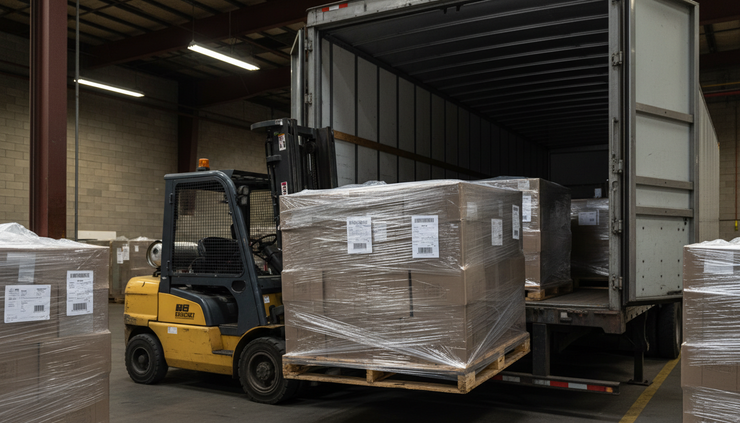
Expedited freight for urgent shipments
Expedited service is for freight that can’t wait. It may involve team drivers, dedicated vehicles, direct routes, after-hours dispatch, or special pickup timing.
Use expedited freight when:
A production line is waiting on parts
A customer order is at risk
A shipment missed its planned pickup
Inventory needs to reach a plant before startup
A replacement part must move overnight or same day
Expedited service usually costs more, but it can be cheaper than downtime, penalties, or a damaged customer relationship.
Logistics support for more complicated freight
A good logistics partner does more than book a truck. The right team can help choose the mode, plan routes, coordinate appointments, manage paperwork, and provide updates when something changes.
This is where a strong transportation company can help beyond a single shipment. If you ship across multiple plants, suppliers, or customers, logistics support can reduce the daily stress on your team.
How to read reviews without getting misled
Online reviews are useful, but they need context. Trucking is local in a very real way. A carrier may have a great terminal in one city and weaker service in another.
When you read reviews, focus on patterns instead of one angry comment.
Look for repeated praise
Good signs include reviews that mention:
On-time pickups
Freight arriving in good condition
Drivers communicating clearly
Helpful dispatchers
Accurate tracking
Quick claim responses
Flexibility when dock schedules change
If several customers mention the same strength, it’s probably real.
Watch for repeated complaints
One bad review doesn’t tell the whole story. Repeated complaints do.
Pay close attention to reviews that mention:
Missed appointments
Damaged freight
Poor communication
Surprise fees
Unreturned calls
Long claim delays
Frequent rescheduling
If you see the same issue again and again, ask the carrier about it before booking.
Compare star ratings with the type of freight
A 4.7-star local courier may be excellent for small deliveries, but that doesn’t mean they can handle 40,000 pounds of palletized freight across the country. A lower-rated national carrier may still perform well on a specific industrial lane.
Match the review to the work you need done. That’s the part many shippers skip.
Check more than one source
Use reviews as one input, not the only input. You can also check:
Google Business Profile reviews for the local terminal
Better Business Bureau complaints, when available
FMCSA SAFER records for operating authority and safety basics
References from similar shippers
Your own trial shipments
For higher-risk freight, ask for references from customers that ship similar products. That tells you more than a generic star rating.
How to choose the right trucking company for your needs
The best choice comes down to fit. Here’s a simple way to narrow the list.
Match the carrier to your shipment type
Start with the freight mode.
If you ship small pallet counts, compare LTL carriers first. If you ship full trailers, look at truckload providers. If you ship machinery, steel, or oversized freight, look for flatbed or specialized carriers.
Don’t force a shipment into the wrong service type just because a carrier is familiar.
Ask about coverage in your actual lanes
Nationwide coverage sounds helpful, but your lane is what matters. Ask direct questions:
Do you run this lane often?
Is this handled by your own trucks or a partner carrier?
Where is the nearest terminal?
What pickup days are available?
What transit time is typical?
What happens if the first truck falls through?
A nationwide trucking company can be a good fit when you ship across several states, but the strength of the specific lane still matters.
Confirm equipment before you book
Equipment mismatches cause delays. Confirm what the shipment needs before pickup.
Common equipment questions include:
Dry van, flatbed, reefer, box truck, or sprinter van?
Dock-high truck or liftgate?
Load bars, straps, tarps, chains, or blankets?
Team drivers for expedited transit?
Air-ride trailer for sensitive freight?
Hazmat-certified driver if needed?
If your freight has special handling needs, put them in writing.

Compare communication style
Good communication isn’t a bonus. It’s part of the service.
Before you commit, notice how the carrier handles the first conversation. Do they ask useful questions? Do they explain limitations? Do they send written confirmations? Do they respond quickly when details change?
For time-sensitive freight, communication can matter as much as the truck itself.
Ask how claims are handled
Nobody wants damaged freight, but you should know the process before there’s a problem.
Ask:
What documents are needed for a claim?
What are the filing deadlines?
What liability limits apply?
Should high-value freight use added coverage?
Who handles the claim if a partner carrier moves the load?
Reliable trucking services should include clear paperwork, not vague promises.
Run a trial shipment when possible
If you’re choosing a carrier for repeat work, start with one or two shipments. Track the basics:
Pickup arrival time
Driver communication
Tracking updates
Delivery timing
Freight condition
Billing accuracy
Ease of reaching support
A trial shipment tells you what a quote never can.
Quick checklist before booking a carrier
Use this before you approve the load:
Confirm pickup and delivery addresses
Confirm dock hours and appointment rules
Share accurate freight class, weight, and dimensions
List special handling needs
Ask for the carrier’s operating authority if needed
Confirm insurance and cargo coverage
Get the rate and accessorial charges in writing
Confirm tracking expectations
Save the dispatcher’s contact details
Take photos of freight before pickup
That last one is simple but useful. Photos help with claims, loading questions, and receiver disputes.
Recommended fit by shipping need
If you need | Start with | Why it helps |
A few pallets moving regionally | LTL carrier | Better cost control for smaller shipments |
A full trailer of finished goods | Truckload carrier | Fewer freight touches and direct movement |
Parts needed to avoid downtime | Expedited carrier | Faster options and tighter communication |
Machinery or oversized freight | Specialized flatbed carrier | Better equipment and securement experience |
Repeat plant-to-plant lanes | Dedicated or contract carrier | Consistent capacity and familiar drivers |
Mixed freight across many states | Logistics provider | More options when one carrier doesn’t fit every lane |
If urgent freight is your main concern, it helps to have an expedited option ready before the emergency happens. You can review expedited freight shipping options from Delta Force Transport and Logistics and keep that contact handy for time-sensitive loads.
FAQ
How do I find the best trucking company near my plant?
Start with your shipment type, then search for carriers with nearby terminals or regular lanes in your area. Check local reviews, safety records, insurance, equipment, and how quickly they respond to basic questions.
Are national trucking companies better than local carriers?
Not always. National carriers are helpful for broad coverage and repeat interstate lanes. Local carriers can be better for same-day, short-haul, and flexible pickup needs. The best choice depends on your route, freight, and schedule.
What should I look for in trucking company reviews?
Look for patterns around on-time service, communication, freight condition, and claims handling. Reviews from businesses shipping similar freight are more useful than general comments.
When should I use expedited freight?
Use expedited freight when delay costs more than the premium shipping charge. Common examples include line-down parts, missed pickups, urgent customer orders, and critical replacement components.
How many trucking quotes should I get?
For routine freight, compare at least two or three carriers. For urgent or specialized freight, focus less on the lowest price and more on equipment, timing, coverage, and communication.

The best carrier is the one that fits the load
Choosing a trucking company gets easier when you stop chasing the biggest name or the lowest rate first. Start with the freight. Then match the service, equipment, lane coverage, reviews, and communication style to what the shipment actually needs.
Keep a short list of carriers for different situations: one for everyday LTL, one for full truckload, one for specialized freight, and one for urgent shipments. That way, when the dock is full and the clock is running, you’re not starting from scratch.


Comments